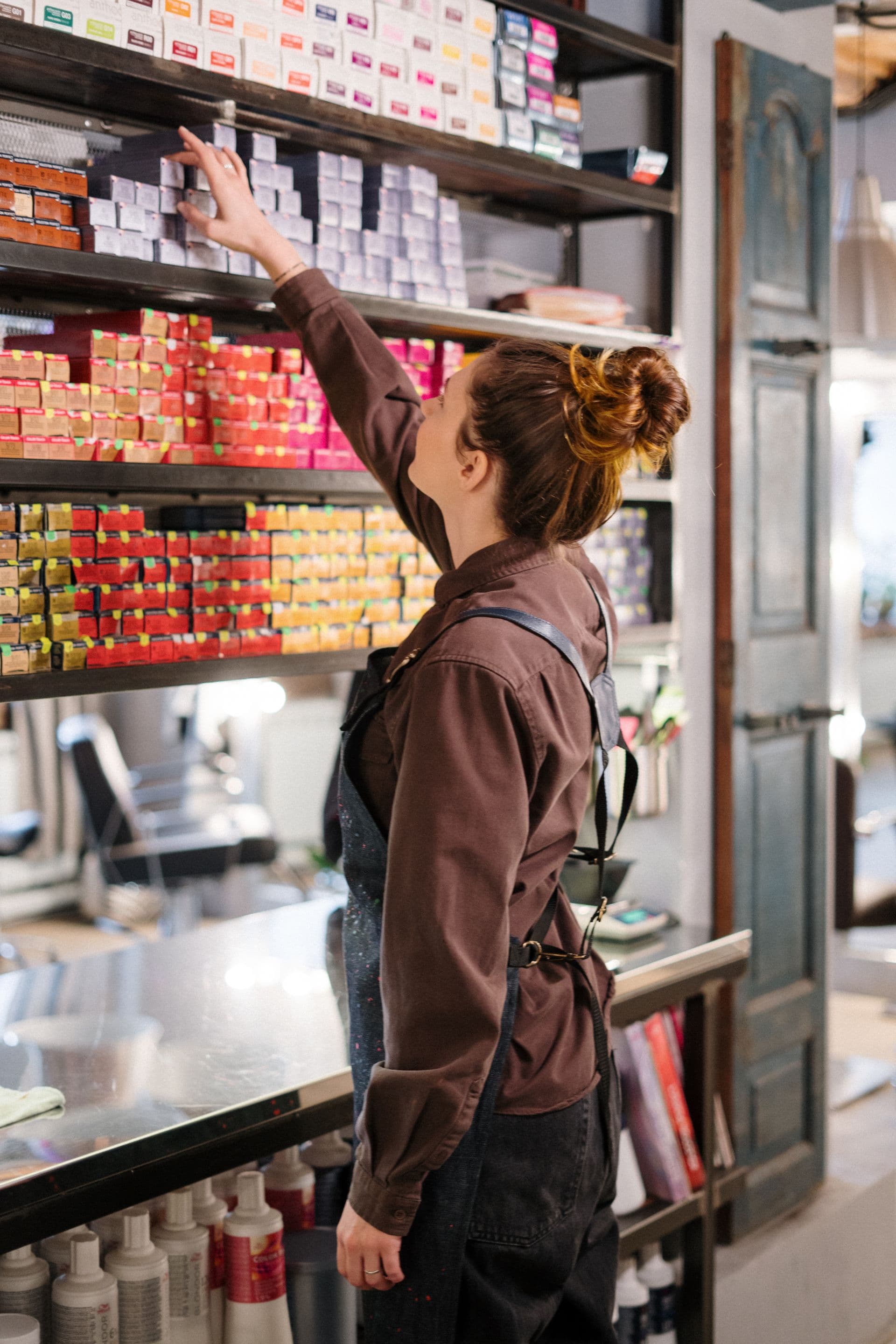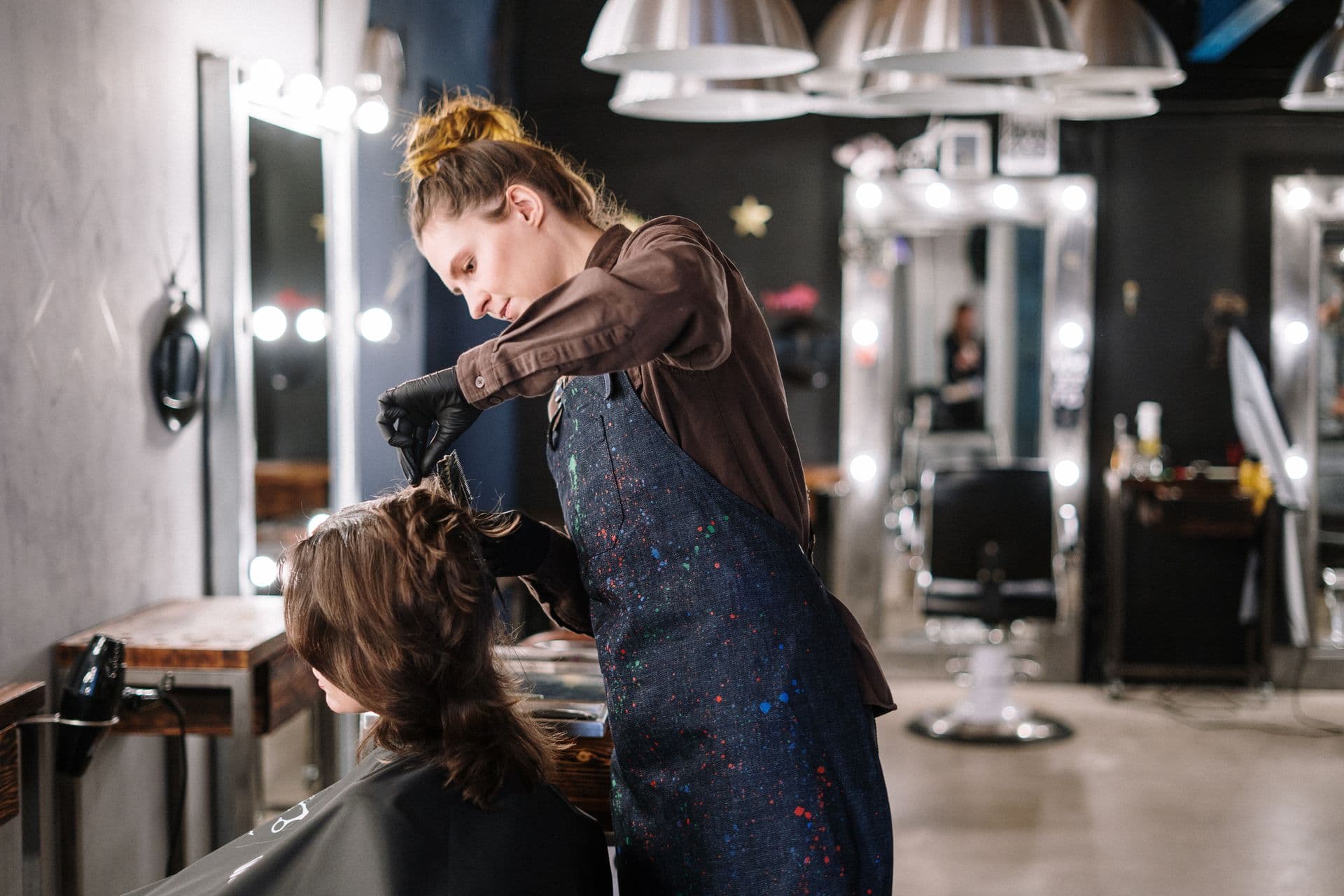
Salon inventory has a unique challenge, product gets used in two very different ways: sold retail to clients, and used up during services behind the chair. If your tracking only accounts for one of those, your counts will be wrong no matter how carefully you do the math, and you'll either run out of backbar product mid-service or over-order retail stock that sits on the shelf.
Track backbar usage, not just retail sales
It's easy to track what sells at the front desk since there's a transaction for it. Backbar product used during services often just disappears from inventory with no clear record of when or why. Building in a simple way to log service-related product usage, even an estimate per service type, closes this gap.
Set par levels based on actual usage patterns
Par levels set once and never revisited get stale fast, especially as service mix shifts or a product becomes more or less popular. Review par levels against actual usage every few months rather than relying on levels set when the salon first opened.
- Separate par levels for retail stock and backbar product, they behave very differently.
- Adjust for seasonality, some services and products spike at certain times of year.
- Flag slow-moving retail products for a promotion or discontinuation rather than letting them sit indefinitely.
Reduce shrinkage with better accountability
Product shrinkage, whether from overuse, waste, or occasional theft, is hard to catch without some system of accountability. Assigning specific stylists or stations to specific product responsibility, and doing periodic spot counts, makes discrepancies visible instead of quietly absorbed into "shrinkage."
Time reorders around real lead times
Ordering too late means running out mid-service, which is a genuinely bad client experience. Ordering too early ties up cash in inventory sitting on a shelf. Know your actual supplier lead times and set reorder points accordingly, rather than reordering reactively when someone notices the shelf looks empty.
Involve stylists in the process
Stylists are the ones who notice a product running low first, in the middle of a service. A simple way for them to flag low stock in the moment, rather than relying on a formal count catching it later, keeps inventory accurate with minimal extra work for anyone.
Connect retail sales to commission where relevant
If stylists earn commission on retail product sales, accurate inventory tracking also directly affects their pay accuracy. This is another reason loose, manual inventory tracking causes problems that ripple beyond just stock levels.
Vynora365's Salon platform tracks both backbar usage and retail sales in one system, with low-stock alerts stylists can trigger directly, so reordering happens based on real usage patterns instead of someone's memory of what looked low last week.
Good inventory management in a salon isn't a big dramatic overhaul, it's a handful of consistent small habits, tracking both sides of usage, revisiting par levels, and giving stylists an easy way to flag what they're seeing at the chair.