Table turnover is one of those metrics that quietly determines whether a busy night is profitable or just busy. The tricky part is that speeding it up the wrong way, hovering over tables or rushing the check, backfires by annoying guests and hurting tips. The good ones do it by removing friction, not by pressuring people to leave.
Fix the bottlenecks before the dining experience
A lot of turnover time isn't spent on the meal itself, it's spent waiting: waiting to be seated, waiting for the server to notice an empty water glass, waiting for the check to actually arrive after asking for it. Walk through your own floor at peak time and time these gaps honestly, they're usually where the real slowdown lives.
Get the check process moving earlier
One of the biggest turnover killers is the check sitting on the table for ten minutes after guests are clearly done. Train servers to read the signals, plates cleared, no active conversation about ordering more, and offer the check proactively rather than waiting to be flagged down.
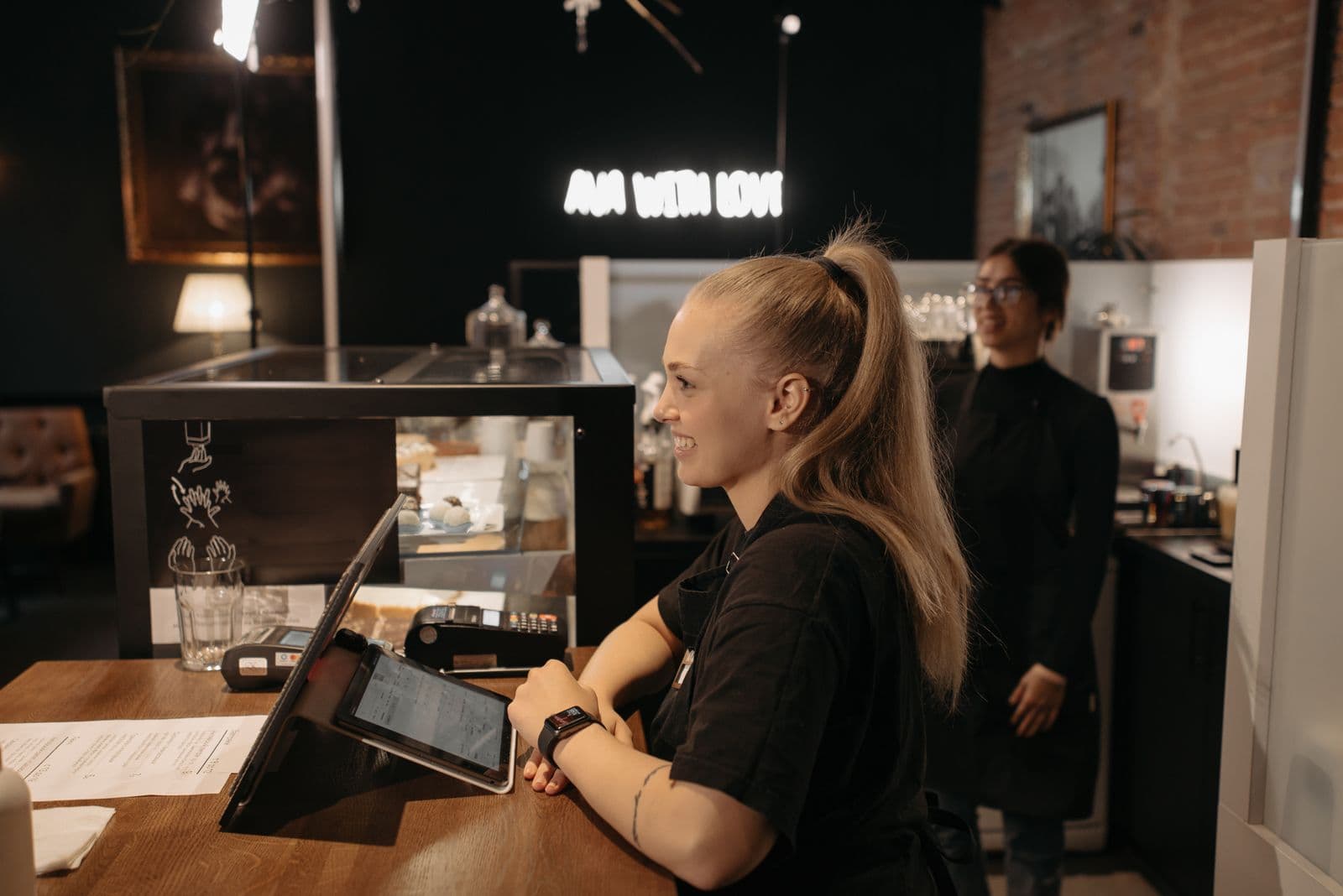
- Use pay-at-table technology if you have it, it can shave minutes off the final step.
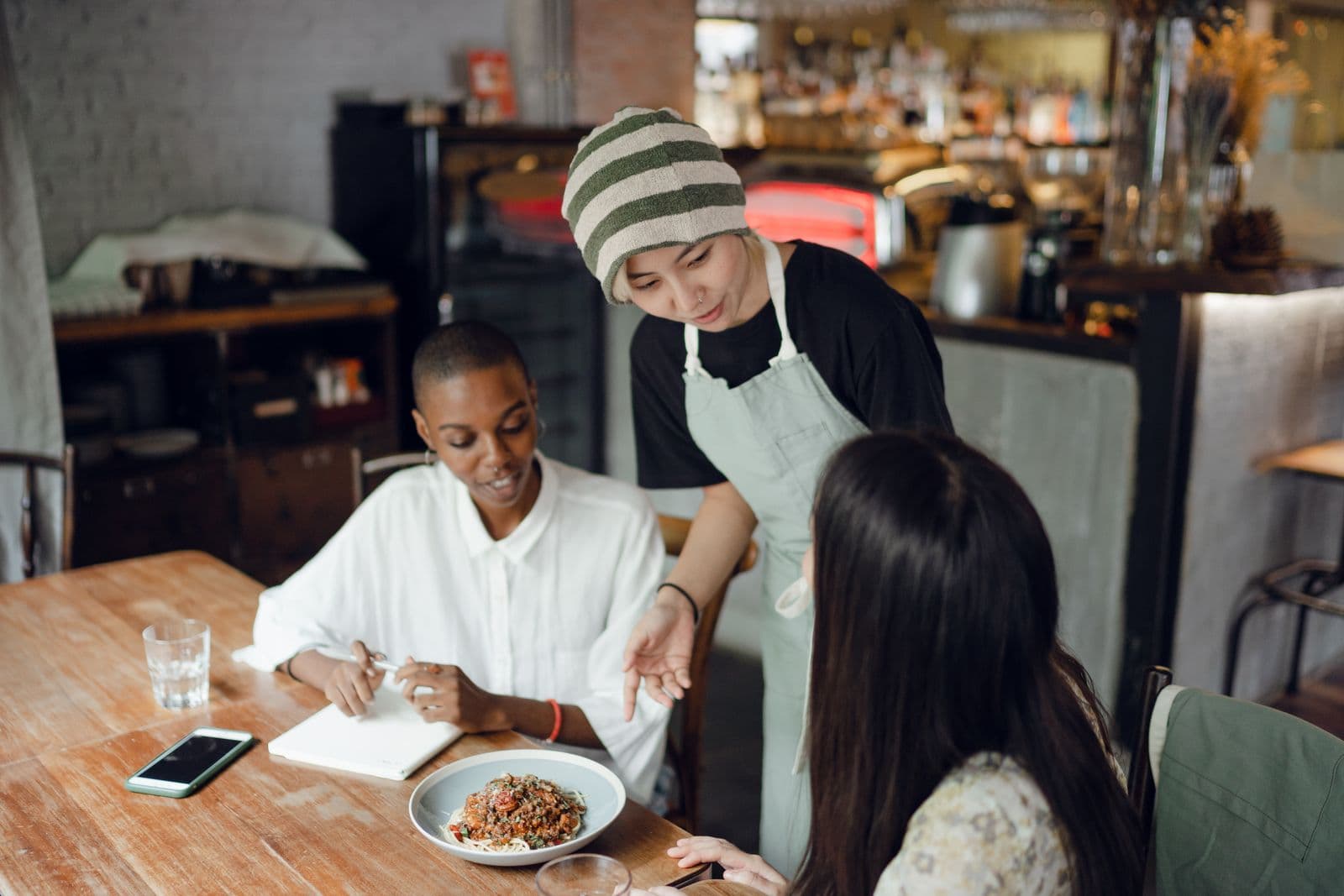
- Pre-bus tables as courses finish instead of waiting until the whole meal is done.
- Train hosts to seat efficiently, spreading tables across the whole floor rather than clustering everyone in one server's section.
Manage the kitchen-to-table timing
Slow turnover often isn't a dining room problem at all, it's ticket times. If appetizers and entrees are firing out of the kitchen too close together or too far apart, guests end up sitting at the table longer than necessary either waiting or feeling rushed. Coordinate ticket timing between kitchen and front of house so courses land with natural pacing, not kitchen convenience.
Use your reservation and waitlist data
If you're consistently overbooking certain time slots and creating a backlog, that's fixable with better reservation spacing, not just faster service. Look at your actual average dining duration by party size and time of day, and space reservations accordingly instead of guessing.
Don't sacrifice the experience for speed
There's a version of "faster turnover" that just means worse service, rushed greetings, no check-ins, a check dropped before dessert is finished. Guests notice, and it shows up in reviews and lower repeat visits. The goal is removing dead time, not compressing the actual dining experience.
Give servers the tools to move fast
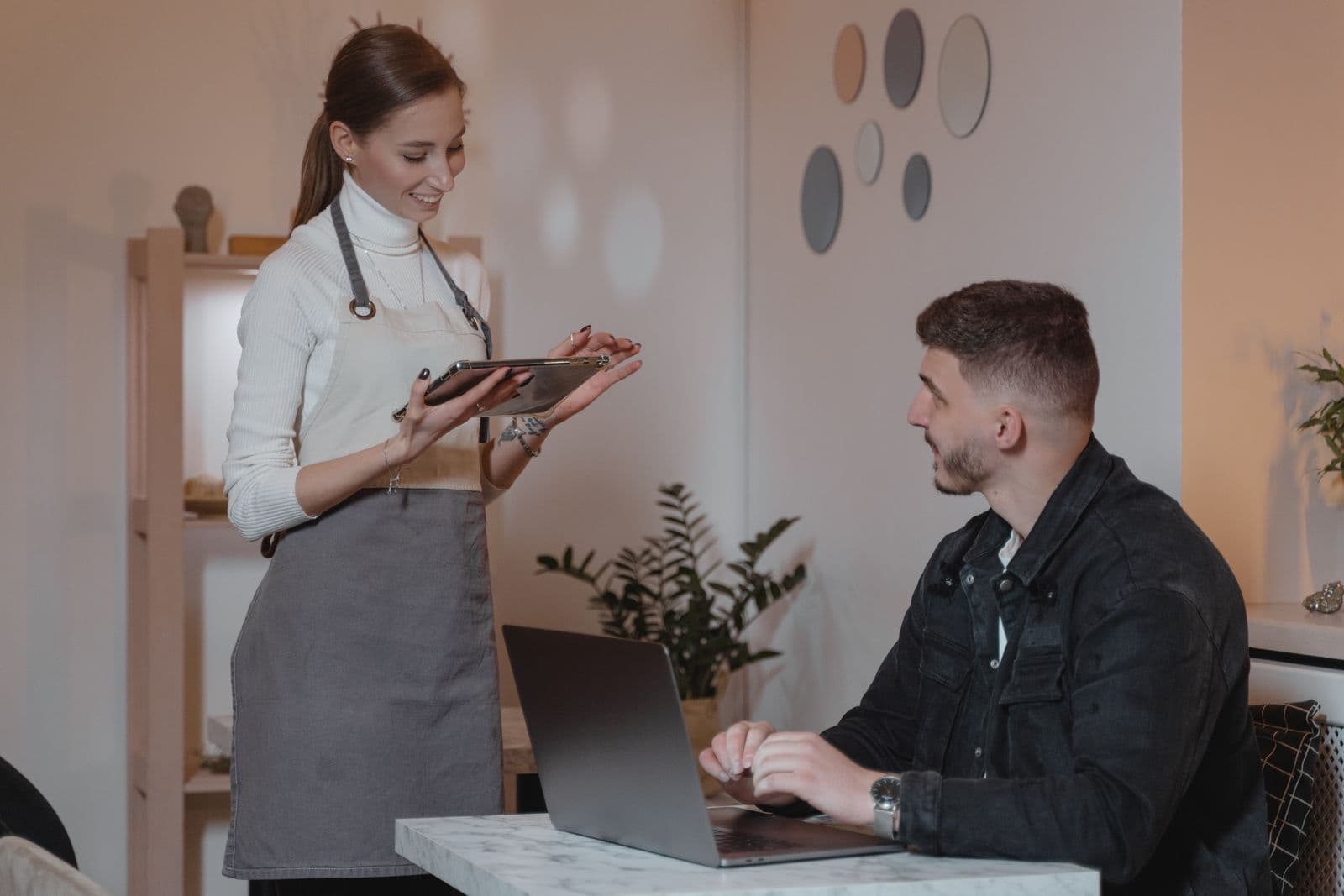
A server juggling a notepad, a POS terminal across the room, and a mental list of who needs what is going to be slower than one with a handheld device that lets them fire orders and process payment right at the table. Small workflow friction adds up across dozens of tables a night.
This kind of real-time visibility into table status, ticket timing, and reservation flow is exactly where Vynora365's Restaurant platform is designed to help, giving front of house a live view of the floor instead of relying on someone walking the room to check.
Faster turnover, done right, feels like nothing to the guest, they just had a smooth meal without unnecessary waiting. That's the version worth chasing, not the one where people feel hurried out the door.